

Hello everyone, and welcome to Savorsa.com! Here, we discuss various topics related to love and relationships, including the importance of communication and the different factors that affect couples in romantic situations.
My name is Seri, and I’m a relationship counselor. With over 7 years of experience in this field, I’ve seen many ups and downs between couples.
Relationship counseling focuses on helping couples work through issues that cause stress and tension in their relationships. I work with couples, like romantic partners or married couples, to help them understand their differences and conflicts.
The goal of counseling is to help couples reach a level of understanding where they can find solutions to their problems and strengthen their relationship.

Making Connections Through Effective Communication
As a relationship counselor, I know how crucial healthy communication is. I’ve seen many couples face challenges in their relationships due to issues that have workable solutions.
These issues include work-related concerns, stress levels, financial constraints, and various unforeseen events. Here are some examples:
- A housewife struggling with her husband’s work schedule as a hospitalist doctor.
- A work-from-home wife feeling neglected by her husband, a highly sought-after public adjuster in Miami.
- A jobless husband feeling insecure about his career-driven wife’s earnings in advertising.
- A stressed-out middle-aged couple facing business bankruptcy.
- A newlywed couple dealing with a hurricane-damaged house.
These issues can be managed through effective communication and solution planning, so their relationships don’t have to suffer the consequences. All these couples need is proper mediation to find logical and workable solutions to their problems without compromising their relationships.

Why is Communication Important in Relationships?
Communication is a vital element in every relationship. Whether dealing with romantic, family, or friendships, communication is always crucial. The importance of talking and connecting through conversations has paved the way for thriving industries like TheChatlinenumbers, social media apps, and instant messaging platforms.
It’s through expressing our thoughts, feelings, and ideas that we can truly communicate. In doing so, we achieve a certain level of understanding in our relationships. Therefore, having the ability to communicate effectively can lead to healthy and harmonious relationships.
Additionally, it is the best way to resolve conflicts, manage problems, and understand others logically.
The Basic Foundations of a Relationship
What are the key elements of a relationship? How can you make a relationship work?
When we hear this question, our minds quickly come up with the most basic answers. Instantly, we think of love, trust, and respect as the top responses.
No doubt, these are all correct. In fact, love, trust, and respect form the foundation of any relationship, and one can’t exist without the others. For example, you can’t love your partner without giving them the trust and respect they deserve. Needless to say, for a relationship to work and thrive, these three virtues must always be present.

But how can we achieve love, trust, and respect in our relationships? It all comes down to one thing: communication. From the start of a relationship and throughout its course, talking and communicating with our partners helps establish its foundation.
In fact, a relationship is born through effective communication and proper expression of one’s thoughts, feelings, and ideas. When two people understand each other, a connection between them develops.
As a relationship counselor, I’ve seen the value of communication in many relationships and partnerships. In both success and defeat, communication between two parties remains one of the most essential and critical elements.
When Does Talking Becomes Necessary in a Relationship?

We can imagine many scenarios where talking is essential in a relationship. It’s widely agreed that communication is the best way to maintain your connection with your partner and recognize each other’s importance.
Regular conversation contributes to assurance, security, and understanding. Although open communication should naturally exist in a relationship, there are times when talking becomes even more critical. So, when is communication especially necessary in a relationship?
To Manage Individual Differences:
Talking is the most effective way to manage differences between couples. Differences in beliefs, personalities, and personal views should be addressed through compromise. To reach reasonable compromises, a serious conversation between both parties is important.
As a relationship counselor, I’ve seen couples experience significant conflicts over seemingly trivial matters, such as what to eat for dinner or whose taste is better in home decoration.

To Manage Financial Issues:
The financial aspect of a relationship should never be overlooked. Couples must agree on a suitable arrangement for their finances.
They should decide on “who pays for what,” “who manages the budget,” “when to access more funds,” and so on. According to a survey conducted by the American Psychological Association (APA), 31% of American couples identify money as the primary source of conflict in their relationship. Based on my experience, many relationships become strained due to financial concerns.
While some couples overcome this issue, others see their relationships deteriorate. The key factor that determines success or failure is open and proper communication about the problem at hand.

To Manage Insecurities and Uncertainties:
No relationship is perfect, and it’s natural for both partners to experience insecurity or uncertainty at some point. You and your partner are two different individuals, so it’s normal to encounter these thoughts and feelings.
There will always be more attractive or successful people in the world, and social events or social media can sometimes amplify these comparisons.
I’ve also encountered sexually-dissatisfied couples who confess to watching porn or calling phonesexnumbers to get in the mood for sex or to feed their fantasies.
These are real scenarios that happen between couples and can cause tension in the relationship, especially when innocent “looking” escalates to “interacting” or forming a “connection.” Such actions can trigger insecurities, self-doubt, and feelings of inadequacy.
However, openly communicating these concerns with your partner (and making personal efforts) can help you address the issue and find healthy resolutions together.

When Does Talking Become Untimely and Unnecessary in Relationships?
Talking can solve many relationship issues, but only when done properly and rationally. It’s important for those involved to be in the right mindset and able to express themselves logically. For conversations to be fruitful, timing is crucial.
However, we must remember that communication isn’t just about talking. It also involves listening, feeling, and understanding.
That’s where trust and respect come into play. It’s essential to recognize the right time to talk and the right time to give each other some breathing space – but only for a certain period.

We need to accept that relationships go through various stages. Like the changing seasons, our relationships also experience changes over time.
Sometimes, the best thing we can do is understand the situation to maintain healthy boundaries. So, when is talking unnecessary or ill-timed in relationships? Let’s find out.
When Trying to Overcome Feelings and Emotions:
As humans, we naturally experience a wide range of emotions. Sharing these with our partners can sometimes make things more complicated. Don’t feel guilty.
Even in a relationship, we have a right to our own boundaries, as long as we’re not cheating or deceiving our partners. It’s okay to keep some personal issues to ourselves if it’s for the best.
Remember, there are some battles we must face alone, such as temptations.
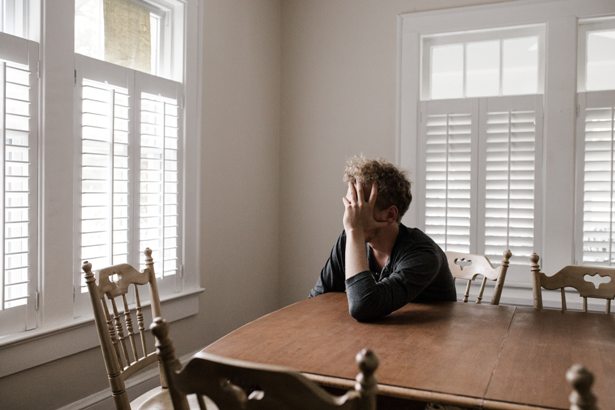
When dealing with our emotions, it’s okay to spare our partners from what we’re going through and allow ourselves to find balance in the best way possible.
For example, if you find yourself attracted to someone else or developing feelings for another person, as long as you don’t intend to cheat, it’s best to handle your emotions on your own to avoid complicating the situation.
Struggling with your feelings might not be easy, but you can make your life and relationship less complicated by not entertaining them while you’re still committed.
When Words Are Not Necessary:
Connecting with our partners doesn’t always require words. Sometimes, a warm hug or an affectionate gesture is all it takes to show how much we care.
For example, during the grieving process – such as losing a loved one, facing failure, or losing a job – our presence can provide comfort and reassurance to our partner. We don’t need many words to express our care or support.
Simply being beside them, holding their hand, and respecting their pain effectively communicates love and understanding. In some situations, our silence and presence can mean more than words.

When Emotions Get High:
Talking and discussing matters isn’t always advisable when emotions run high. Things can easily escalate and lead to arguments, potentially causing more harm than good.
When emotions are intense, it’s best to give each other time to calm down and collect your thoughts. Resolving issues works best in a relaxed state and with a clear mind.
Take some time alone to determine which issues are worth discussing. Remember, even in relationships, it’s important to choose our battles.
That’s why patience and understanding are crucial investments. By being more rational, reaching a compromise becomes easier, and it no longer matters who wins or loses. The priority is overcoming the issue and moving forward.

Why Communication Is Important in Relationships
There are countless reasons why relationships are important. Many motives come to mind, but the bottom line is that talking, communicating, and expressing our thoughts and feelings are the primary reasons why relationships exist.
In every healthy relationship, talking to each other is the norm. This is how couples function – updating each other through text messages or phone calls during the day, chatting over dinner, or sharing the day’s events while cuddling.
Communication never goes out of style in any type of relationship. Even for long-distance couples, constant phone chats make a significant difference in maintaining intimacy and connection.
It’s essential to remember that the longer we are in our relationships, the more crucial communication is for keeping the romance alive. Here are the top reasons that make communication important:

It’s one way of showing appreciation
Appreciation is a crucial element in a healthy relationship. Consistently showing appreciation for our partners leads to feelings of security, assurance, and intimacy.
Offering compliments for even the simplest things, hugging our partners, celebrating small victories, and sharing sweet kisses are just a few ways we can express appreciation to the ones we love.
Enables you to share your world with your partner
Sharing our thoughts, learnings, and experiences with our partners is a healthy way to maintain strong communication in a relationship.
It helps our partners feel included in our world and that their presence matters to us. So don’t assume there’s nothing to talk about with your partner.
Discussing a movie you watched, your favorite songs, books you’ve read, or the latest happenings at work are all interesting topics to share with your partner.

Encourages Mutual Respect
Healthy communication encourages mutual respect, acknowledging your partner’s presence. Regular and quality conversations can often counteract feelings of neglect.
For example, consistently checking on your partner is a good way to show respect, as well as asking if they’re comfortable with a situation. Respecting our partners means not ignoring them, acknowledging their ideas and opinions, understanding their feelings and needs, and responding appropriately.
This can only be achieved through proper and healthy communication. As a relationship counselor, I’d like to emphasize the importance of “talking to your partner” and how communication functions in various phases of a relationship. Feel free to explore savorsa.com to find topics that can guide you on this journey.